As we descend fully into fall, the days are getting shorter, temperatures are dropping, and it’s time to start preparing your property for winter.
Fall maintenance is crucial to ensure the safety and health of your trees throughout tough Ontario winters. Heavy snow, freezing rain, ice, and strong winds can put significant stress on trees, particularly those that already have structurally weak branches.
Taking the time to inspect your trees now can help identify potential problems before winter weather arrives.
inspect your trees for damage
One of the first steps in fall tree maintenance is looking for signs of damage or weakness.
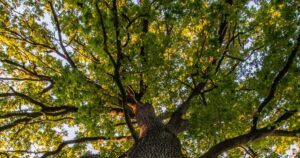
Take a look at the branches, trunk, and overall canopy of your trees. Keep an eye out for:
- Dead or broken branches
- Cracks or splits in major limbs
- Hanging or loose branches
- Cavities or decay
- Signs of fungal growth
- Leaning or unstable trees
- Branches growing too close to structures or power lines
These issues can become more serious once snow and ice begin to accumulate. A branch that appears stable during a dry fall day may become hazardous when weighed down by several centimetres of wet snow or ice.
Why Pruning Before Winter Matters
Removing dead, damaged, or hazardous branches before winter can reduce the risk of branch failure during severe weather. However, pruning isn’t simply a fall cleanup. Different tree species have specific pruning requirements, and improper timing can increase stress or the risk of disease.
Oak trees, for example, require particular consideration in Ontario. Oak wilt can spread through wounds created during pruning, making winter pruning the recommended approach in affected areas when the risk of transmission is lower.
Proper pruning also means making the right cuts to support the tree’s structure and long-term health. While knowledgeable pruning can reduce hazards and the likelihood of branch failure, it cannot eliminate risk entirely. Hidden weaknesses may still lead to failure, even after a thorough assessment. Consulting a qualified arborist helps ensure pruning is done safely and effectively.
prepare your trees for snow and ice
Ontario winters can be unpredictable. A combination of snow, freezing rain, wind, and rapid temperature changes can create difficult conditions for trees.
Ice and snow add weight to branches, making structurally weak trees particularly vulnerable. Depending on the location, lifting or reducing lower limbs can also help prevent winter weight from causing excessive sag over driveways and parking areas.
Large trees near homes, driveways, walkways, and other structures should be inspected regularly for potential hazards. If you’re unsure whether a tree or branch poses a risk, an arborist can assess its condition and recommend pruning, structural support, or removal.
a good time for a tree inspection
Fall is an ideal time to take a closer look at the trees on your property before winter arrives.
Not every tree requires maintenance, but knowing what condition your trees are in can help you prepare for the months ahead. Addressing hazardous branches and identifying potential problems now can help reduce the risk of winter damage and keep your property safe.
At Advanced Tree Care, our certified arborists can assess your trees and recommend the appropriate maintenance to help them withstand Ontario’s winter conditions. Book an assessment today to help get your trees through the season!