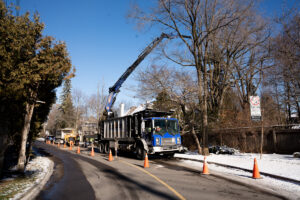
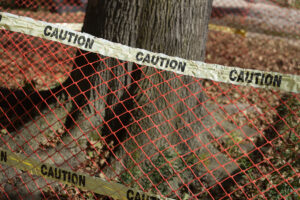
Trees add beauty and value to condominium properties, but they can also pose serious risks when emergencies occur. Falling branches, ice-laden limbs, or structurally weak trees can threaten residents, vehicles, and shared amenities. That’s why it’s essential for condo boards and property managers to have a clear emergency tree service plan in place.
In this article, we’ll explain why condo communities face unique tree management challenges. We’ll also provide a step-by-step guide to creating an emergency response plan that protects residents, property, and the long-term health of your trees.
Why Condo Communities Are Different
Condo communities face unique challenges when it comes to tree management. Unlike a single-family home, trees on shared property affect multiple residents. Any decision, whether it’s pruning, removal, or emergency action, often requires board approval and clear communication within the community.
Liability is another important consideration. An incident involving a falling branch could impact insurance coverage or expose the condo board to potential insurance claims. Finally, the logistics of managing trees on a property with multiple buildings, walkways, and amenities, are inherently more complex. This makes planning, coordination, and professional expertise essential, particularly when you’re arranging tree services in Ontario.
How to build your Emergency Tree Response Plan
Let’s break down the essential steps to consider when developing your emergency tree response plan.
- Partner with Certified Arborists
Working with a certified arborist in Ontario is essential for condo communities. Arborists bring expertise in tree health, structural assessment, and offer safe hazardous tree removal services. These are collectively important when trees are located near buildings, high-traffic areas, or shared amenities. Before an emergency occurs, confirm your arborist is ISA-certified. They should have comprehensive insurance coverage and the ability to respond quickly, particularly during winter or storm seasons.
- Conduct a Tree Inventory and Risk Assessment
The first step is knowing exactly what you’re working with. Condominium boards should create a comprehensive inventory of all trees on shared property and perform a thorough tree risk assessment. Identify species prone to breakage, noting trees that are dead or dying. Pay close attention to those located near buildings, roads, or walkways. Also, consider seasonal vulnerabilities, like icy branches in the winter or thaw-related weaknesses in early spring. By documenting these risks ahead of time, condo boards can prioritize which trees need regular inspections, maintenance, or preemptive care.
- Establish Clear Communication Channels
Communication is critical in any emergency. Boards should designate a primary contact responsible for liaising with residents and emergency services. A clear notification protocol informs residents quickly if a tree becomes hazardous. This communication might come through email, text or posted notices in common areas. Having a trusted arborist’s contact information readily available is equally important to mobilize help immediately without delays.
- Pre-Determine Decision Protocols
Emergencies often leave little time for deliberation, so condo boards should establish clear protocols ahead of time. Responsibilities for repairing damage to common elements is outlined in the Condominium Act. Condo corporations are also likely to detail this information in their governing documents. This includes what constitutes an immediate hazard and who has the authority to approve emergency removal or pruning. By deciding these thresholds in advance, condo boards can avoid delays that could endanger residents or property.
- Plan for Post-Emergency Follow-Up
Once you address an emergency, follow-up is just as important. Inspect nearby trees to ensure no additional hazards exist. Also, document all work for insurance purposes and communicate with residents to confirm the situation is safe. This step not only protects liability and coverage but also reassures residents that their community is in good hands.
Tips for Condominiums in Ontario
Here are several strategies that boards can implement to stay proactive and reduce risk. Here are some key tips:
- Schedule regular tree inspections throughout the year, even during dormant winter months, to identify potential hazards early.
- Budget for emergencies to cover unexpected tree removal in Ontario or urgent pruning without financial constraints.
- Educate residents on how to report tree hazards or damage after storms.
- Keep thorough documentation, including photos, reports, and communication logs. This protects both the board and the community in case of insurance claims.
- Partner with trusted arborists with experience working with condo boards in Ontario. Confirm they understand the nuances of shared spaces, safety protocols, and rapid response times.
Protect Your Community, One Tree at a Time
Condo communities face distinct challenges when it comes to tree management. A thoughtful emergency tree response plan makes a world of difference. By:
- Identifying risks ahead of time
- Establishing clear communication and decision-making protocols ; and
- Partnering with experienced arborists
Condo boards can protect their residents, property, and the long-term health of their trees. With a proactive plan in place, your community can stay safe, prepared, and resilient, no matter the season. Ready to safeguard your property? Contact ATC today to schedule a comprehensive tree risk assessment.