As temperatures slowly warm up, many homeowners start paying closer attention to their trees. One common issue that is especially noticeable as we approach spring is epicormic growth, more commonly referred to as tree suckers.
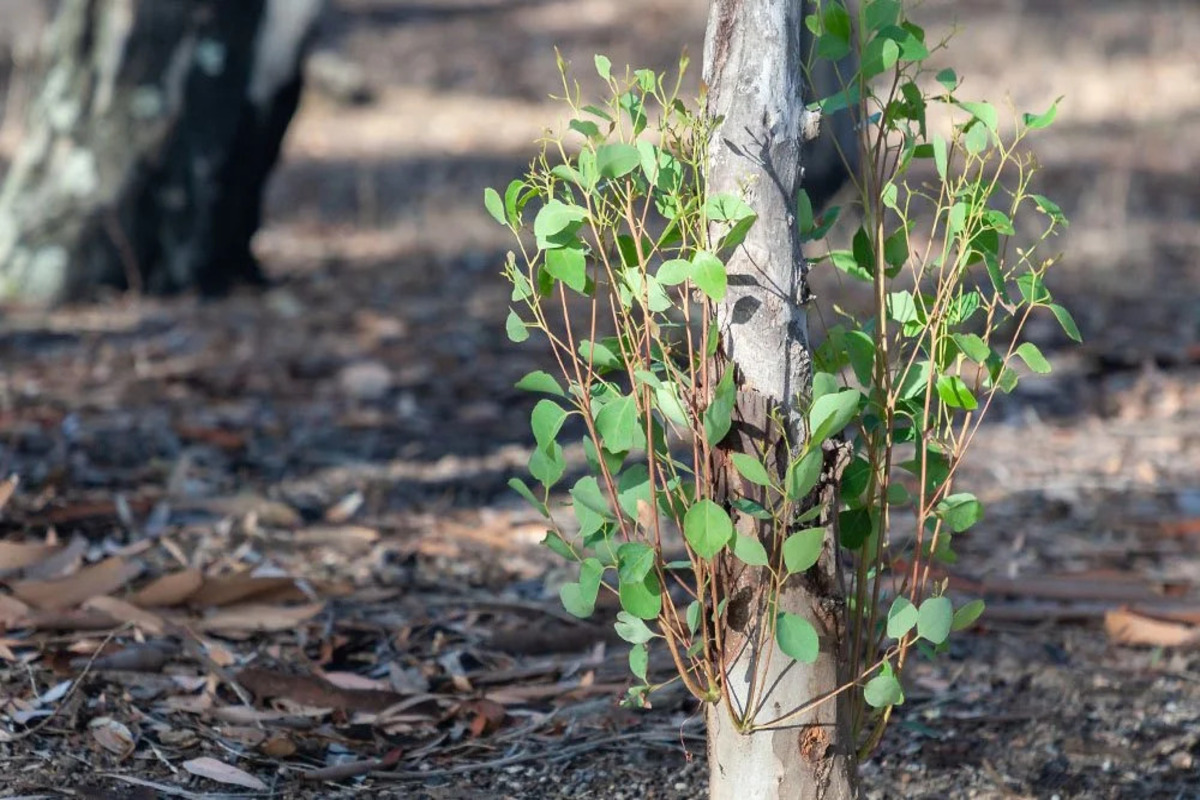
These fast-growing shoots can appear near the base of a tree, along its roots, or at various points throughout the tree where new growth can emerge. While they may look like healthy new branches, suckers on trees are typically weakly attached and grow from the cambium layer rather than developing as structurally sound branches over time. This means they can divert energy away from the main trunk and branches.
Identifying and managing tree suckers early in the spring season, ensures your trees remain healthy and well-shaped as the growing season kicks off.
What are tree suckers?
Homeowners often ask us what are tree suckers and whether they’re harmful to their trees or surrounding property. Suckers on a tree are growth shoots that develop when a tree is reacting to stress or trying to produce new growth from its root system.
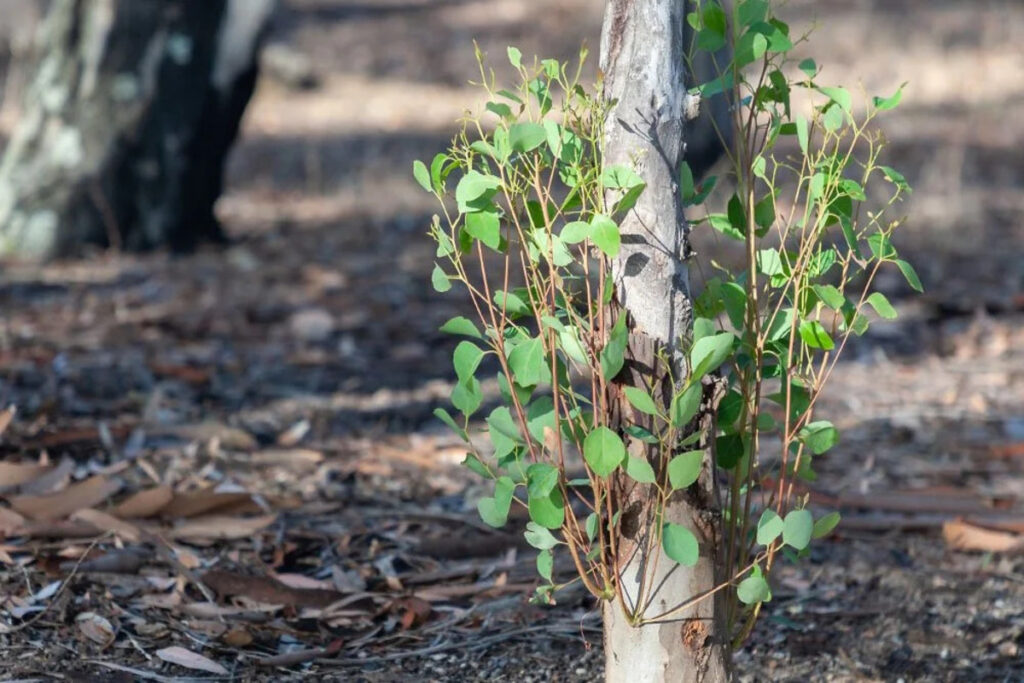
Sometimes this growth creates what’s known as a sucker tree, where multiple shoots sprout from the main tree trunk. It’s also quite common for suckers to appear on tree roots themselves, often a short distance from the base.
Why do trees grow suckers?
Trees typically produce suckers as a response to stress or environmental changes. As spring approaches and trees begin pushing out new growth, these shoots can become especially visible. Common causes of tree suckers include:
- Heavy or improper pruning
- Root damage from landscaping or construction
- Environmental damage such as drought or extreme cold
- Poor soil conditions
- Growth from grafted points, especially in fruit trees
Certain species are more prone to this type of growth. For instance, maple tree suckers can appear when their roots are disturbed. While a few small shoots don’t tend to cause harm, allowing them to grow unchecked can pull crucial nutrients and energy away from the main tree.
Tree Shoots vs. Tree Suckers
At a glance, tree shoots and suckers can look similar. That’s because both are forms of epicormic growth. The main difference lies in where they develop. Suckers emerge from the base of a tree trunk or its root system.
On the other hand, tree shoots, or water sprouts, grow vertically from branches higher up in the tree’s canopy. Both types of growth often occur after heavy pruning or when your tree is responding to stress.
How to remove tree suckers
As we move closer to spring, it’s a good time to learn how to get rid of tree suckers before the growing season fully begins. Removing them early can help prevent them from becoming thicker, stronger roots. The best method for removal involves simple pruning. Cut the sucker as closer to its point of origin as possible using a proper finishing cut. Avoid leaving stubs or damaging the surrounding bark, as improper cuts can encourage further sucker growth or create entry points for disease. Always avoid tearing suckers off by hand, as this can damage the cambium layer and lead to further regrowth.
You could also opt for a more aggressive solution, but harder methods like chemicals can do more harm than good to the health and vitality of the main tree. Proper pruning and early removal are usually the safest and most effective options. If you’re unsure of how to remove tree suckers without killing your tree in the process, a certified arborist can help ensure pruning is done safely and effectively.
A good time for a Tree inspection
Late winter and early spring are optimal times to inspect your trees before the growing season begins. Watching for sucker growth early can help you address issues before they become larger problems. If suckers appear frequently or in large clusters, it may indicate underlying stress or root damage. At ATC, our certified arborists can assess your tree’s condition and recommend the best steps to keep it healthy as the warmer months arrive. Contact us for a free quote today!