Planning a development project in Ontario? Tree protection during construction isn’t just good practice; it’s often required by local bylaws. Whether you’re building a new home, adding an extension, or preparing a commercial site, understanding tree protection regulations can help you avoid costly delays and keep your project on track.
Why Tree Protection Matters on Construction Sites
Trees are valuable assets. They enhance property value, improve air quality, and provide shade and habitat. However, without proper planning and protection measures in place, construction activities can unintentionally cause significant and lasting harm to trees.
Municipalities across Ontario, including Toronto, Vaughan, and Barrie, Richmond Hill, Markham, Newmarket, Aurora, Georgina, East Gwillimbury, have specific bylaws in place to protect trees during development. These regulations often require a Tree Protection Plan, usually part of a broader Tree Preservation Plan, to be submitted as part of your development application.
What’s Involved in a Tree Protection Plan?
A comprehensive Tree Protection Plan typically includes:
- Tree Inventory: Identifying and assessing all trees on or near the development site.
- Protection Measures: Strategies to safeguard trees during construction, such as fencing and signage.
- Arborist Report: A detailed assessment from a certified arborist outlining tree health and recommended protection measures.
- Monitoring Plan: Procedures for ongoing oversight to ensure compliance throughout the construction process.
These plans are essential for obtaining the necessary permits and avoiding potential fines or delays.
Tree Protection Fencing and Root Zone Requirements
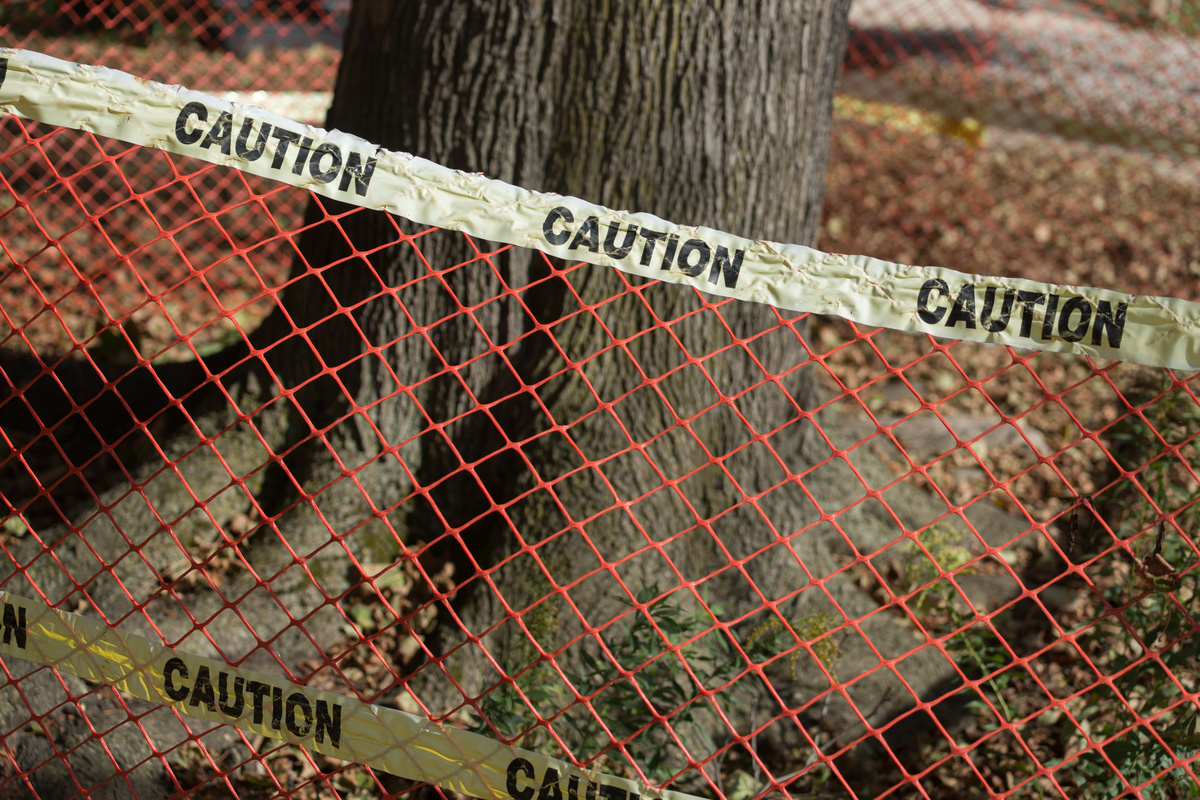
One of the most critical components of a Tree Protection Plan is the installation of tree protection fencing. This fencing defines the Tree Protection Zone (TPZ), an area around each tree where construction activities are restricted. The size and placement of the TPZ depend on factors like tree species, size, and health.
Proper fencing prevents soil compaction, root damage, and physical injury to trees. It also serves as a visual reminder to workers and contractors to respect the protected areas.
Common Construction Activities that can Damage Trees
Trees can be severely injured by activities associated with construction projects, with the most significant cause of tree mortality being loss and injury of critical root zones. Excavation or trenching near tree roots can disrupt nutrients and water uptake.
Other common issues include:
- Soil Compaction: Heavy machinery can compact soil, reducing oxygen availability to roots.
- Grade Changes: Raising or lowering the ground level can suffocate roots or expose them to the elements.
- Physical Injury: Accidental impacts from equipment or materials can harm tree trunks and branches.
These challenges are why Ontario municipalities like Barrie, Newmarket, Aurora, and Georgina, have Private Tree By-Laws. These regulations aim to improve tree preservation success rates by requiring developers and builders to integrate protection strategies early, particularly during the project’s design phase.
Implementing a Tree Protection Plan helps mitigate these risks and ensures the longevity of the trees on your site.
The Role of a Certified Arborist in Your Development Project
A certified arborist plays a crucial role in the development process, not only in ensuring compliance with municipal bylaws but site planning, as well. They:
- Assess Tree Health: Determine the condition and viability of trees on the site, as well as identify potential hazards.
- Develop Protection Strategies: Create tailored plans to safeguard trees during construction.
- Monitor Compliance: Ensure that protection measures are implemented and maintained throughout the project.
- Provide Expert Advice: Offer guidance on tree care and management post-construction.
Working with a certified arborist not only helps you meet regulatory requirements, but also demonstrates a commitment to environmental stewardship.
Best Practices for Protecting Trees on Active Development Sites
To effectively protect trees during construction:
- Plan Early: Involve an arborist in the planning stages to integrate tree protection measures seamlessly.
- Install Fencing Promptly: Set up tree protection fencing before construction begins to prevent accidental damage.
- Avoid Soil Disturbance: Minimize excavation and grading within the Tree Protection Zone.
- Educate Workers: Ensure that all personnel are aware of and adhere to tree protection protocols.
- Monitor Continuously: Regularly inspect the site to ensure ongoing compliance with the Tree Protection Plan.
Ready to Protect Your Trees?
Make tree preservation part of your project’s success story. Our certified arborists will help you select, plant, and protect trees that thrive for decades to come. Get in touch today!